

The Korean Basketball League (KBL) is set to hold a retrial for former coach Kim Seung-gi, who was suspended for two years after assaulting a player. The decision comes amid controversy over procedural lapses in the initial disciplinary process.
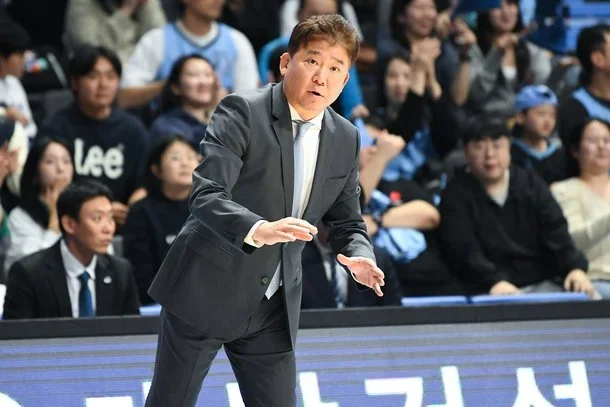
The KBL’s disciplinary committee will convene on April 30 at the KBL Center in Seoul to re-examine Kim’s suspension. The incident occurred on November 10, 2024, when Kim, then head coach of the Sono club, assaulted a player in the locker room during a game against SK. Sono conducted its own investigation and requested a KBL disciplinary hearing on November 20. Kim resigned two days later, and on November 29, the KBL imposed a two-year suspension.
However, a critical procedural flaw emerged. KBL regulations require that the disciplinary decision—including its grounds, duration, and appeal process—be directly communicated to the sanctioned individual. Instead, the KBL only notified the Sono club. Since Kim had already resigned before the hearing, the club argued it had no obligation to relay the decision. As a result, Kim never received formal notification of his punishment from either the KBL or the club.
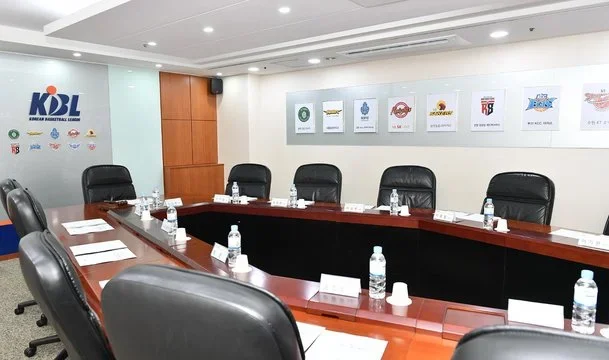
This oversight formed the basis of Kim’s request for a retrial. Under KBL Article 137, a retrial can be requested within 15 days of receiving the disciplinary notice, provided the applicant presents new evidence that clearly contradicts the original findings. Kim’s legal team argued that because he never received the notice, the 15-day window never started, and there was no reason to submit alternative evidence. The KBL acknowledged the procedural error and accepted the request, though strictly speaking, the conditions for a retrial were not met. When asked whether Kim’s side provided new evidence, the KBL declined to comment.
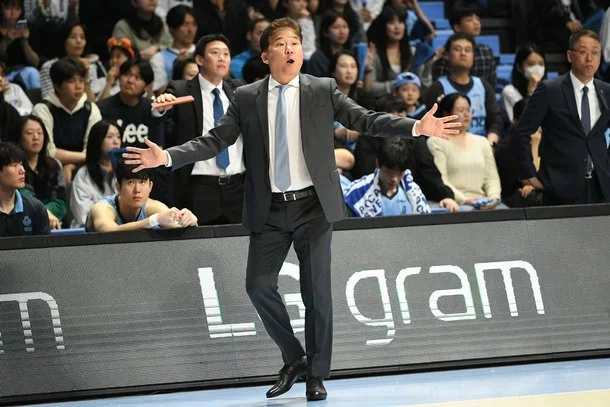
Legal experts have raised concerns about the retrial’s legitimacy. “In sports organizations under the Korean Sport & Olympic Committee, a first-instance and second-instance review must be handled by different bodies,” said a lawyer active in sports law. “But since the KBL has no higher authority, it is essentially conducting the same committee review twice.” Indeed, all but one member of the KBL’s disciplinary committee are the same as those who handed down the original ruling. These officials are now tasked with re-evaluating their own previous decision.
Perhaps most troubling is the impact on the victim. The case involves a physical assault, yet the focus has shifted from accountability and recovery to procedural technicalities. The reopened case has brought the incident back into public discourse, forcing the victim to relive the trauma. While procedural errors should be corrected, allowing the essence of the punishment to be overshadowed by legal maneuvering raises serious questions about justice and sensitivity.
Kim Jong-won, journalist